
Getting to Know MBA Students Who Dream of Peru: What I’ve Learned Designing Their Journeys
There is a moment, usually a quiet one, when I realize a journey has already begun. It’s not when flights are booked or when the itinerary is finalized. It starts much earlier, when someone explains what they are hoping to experience, even if they do not yet know how to fully articulate it.
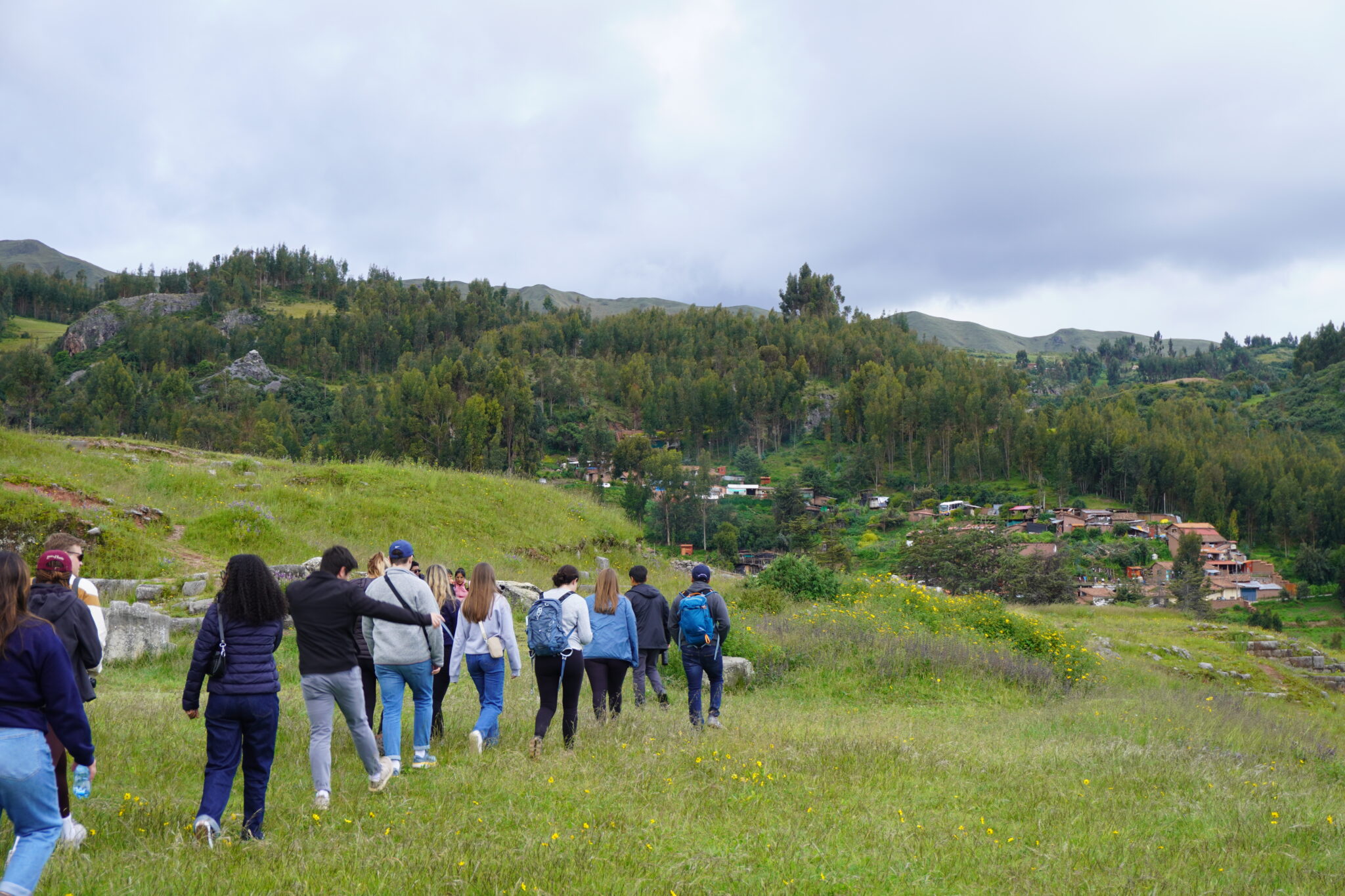
That has been my experience working with MBA students who dream of traveling to Peru. Most of them are already deep into their programs, somewhere between the end of their first year and the middle of their second. They travel during short academic breaks, carrying the intensity of demanding schedules, constant deadlines, and competing priorities. They know how to plan, analyze, and optimize. What they often seek, without saying it directly, is a pause that feels meaningful.
Very often, the Trek Leaders who first reach out to us have a strong personal connection to Peru. Some are Peruvian themselves. Others have spouses or partners who are Peruvian and have fallen in love with the culture, the food, and the way of life. For them, organizing this trip is not just about logistics. It is about opening a door and inviting their classmates into something that feels like home.
That adds a different layer of responsibility. They are not simply planning a group trip. They are sharing a place that matters to them.
At the same time, they are busy. Extremely busy. Between academics, recruiting, and leadership roles, they have limited mental space to manage complex travel planning. That is why the way we work together matters so much. They bring ideas, intentions, and a vision of what they want their classmates to experience. Our role is to take that vision and make it real, handling the complexity so they can actually enjoy the journey alongside their peers and friends.
Over time, I’ve learned that designing travel for MBA groups is less about impressing and more about understanding. Listening closely. Reading the energy of the group. Knowing when to guide and when to take the weight off their shoulders. From a sales perspective, my role is not to push an itinerary, but to translate expectations into experiences that flow naturally on the ground.
Many expect Machu Picchu to be the defining moment of the journey. And it often is. But almost without exception, the experience they speak about most happens afterward.
A relaxed day by an Andean lake. No rush. A long table set outdoors. A pachamanca-style lunch prepared with local ingredients. Some choose to enjoy water activities, others stay back, taking in the landscape and the conversation. Laughter comes easily. The pace slows.
That’s when something shifts. Conversations deepen. The group moves from classmates to a genuine network. Peru stops being a destination and becomes a shared experience.
That day reinforced something that now guides how I design these journeys. MBA travelers are not just looking for efficiency. They are looking for perspective.
Hospitality, in this context, is not about visible luxury. It is about thoughtful decisions, emotional awareness, and timing. It is about creating space for people who rarely slow down to simply be present.
Traveling with MBA groups means supporting people who are already in the middle of a transformative stage of their lives. When the journey is designed with care, it becomes a moment of connection and clarity within that process.
In the end, what stays with them is not perfection. It is resonance. A feeling that Peru offered them something personal and lasting.
For me, that is the essence of travel design. Creating experiences where people connect with a place, with each other, and with themselves in ways that extend far beyond the journey itself.


By Jorge
Travel Designer
Inspection Trips: The Difference Between Knowing Peru and Designing It Thoughtfully